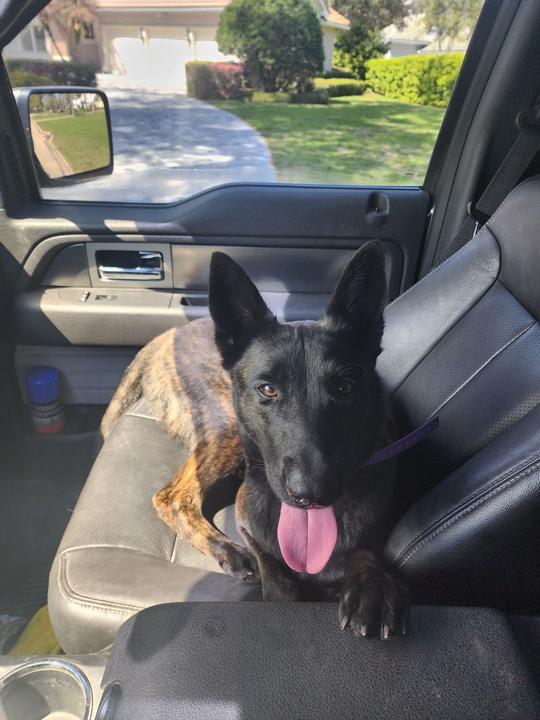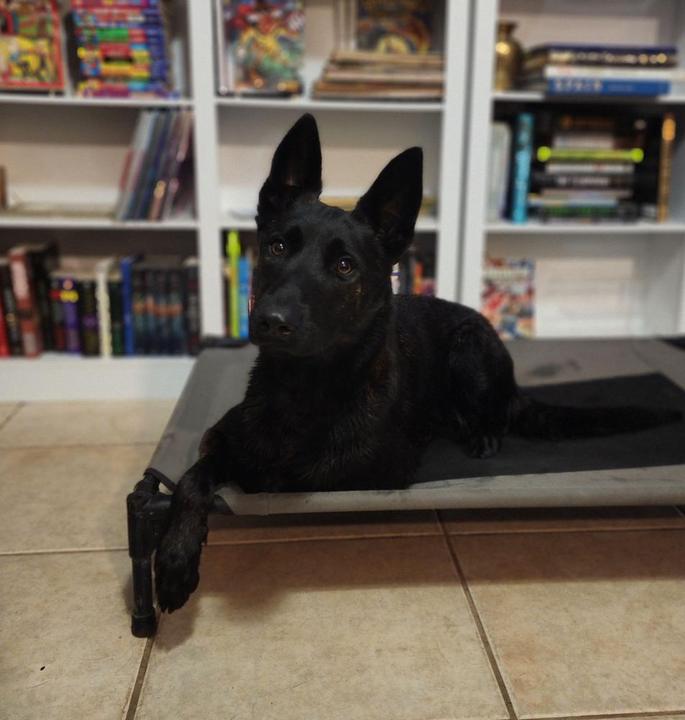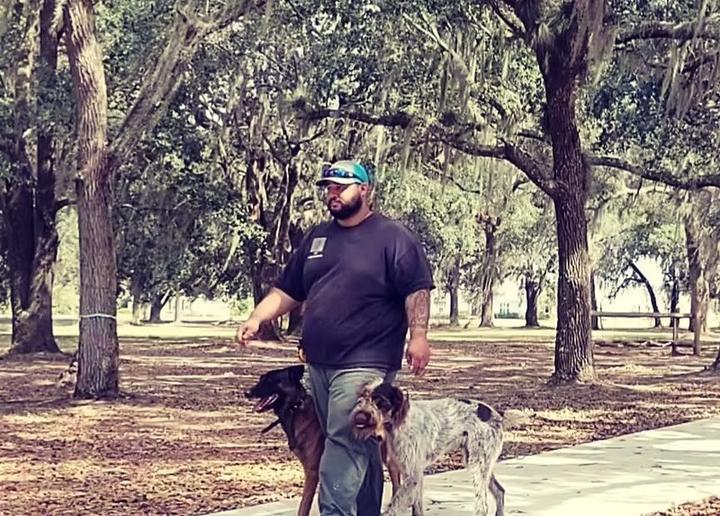

Both can work out. Adoption gives a dog a second chance and usually costs less, but you really don't know what you're getting, especially with a puppy. A responsible breeder is still a bit of a gamble, but you have a good idea of what the dog will be as it grows: its health, temperament and drive. That matters most when you need a dog for a specific job like protection work. The real risk isn't rescue or breeder. It's a bad match or a bad breeder.
Full disclosure: T3 breeds working line Dutch Shepherds. That doesn't mean a breeder is the right answer for everyone, and I'll tell you when it isn't. Great dogs come out of shelters and great dogs come from breeders. Two of the dogs in my own house are rescues: Daisy, a 13 year old pit bull, and Baldr, a 6 year old Jack Russell.
Here's my honest take. When you adopt, you really have no idea what you're getting, especially when you get the dog as a puppy. It could grow into a super nice dog. It could grow into an aggressive dog or an anxious one. When you get a puppy from a good breeder, it's still a gamble, but you have an idea of what the dog is going to be as it grows, because you know the parents and the lines. Here's how I'd weigh the rest.
Adopting a dog
The upside
- You give a dog a home it might not otherwise get
- Adoption fees are usually far lower than a breeder's price
- With an adult dog, what you see is closer to what you get: size, energy and personality are already showing
- Many foster based rescues know their dogs well and can tell you honestly how they do with kids, cats and other dogs
The tradeoffs
- History is often unknown, including past trauma or bite incidents
- Genetics are a guess, which matters for health and for working ability
- Some dogs come with behavior problems that take real time and money to fix
- Shelter behavior isn't always home behavior. A stressed dog in a kennel can look very different a month later.
Buying from a breeder
The upside
- Predictable size, coat, energy and temperament
- Health testing on the parents, when the breeder is doing it right
- A puppy raised with care and early exposure from day one
- Support from someone who knows the lines and will take the dog back if it doesn't work out
The tradeoffs
- Higher cost, and often a waitlist
- A puppy is a blank slate, which means a lot of training in the first year
- Bad breeders and puppy mills are everywhere, and they're good at looking legitimate
How to spot a responsible breeder
- They health test the parents and show you the results
- You can meet the parents, or at least see them on video, and see how they live
- They ask you as many questions as you ask them
- They don't always have puppies available
- They give you a written contract and will take the dog back at any age
- For working lines, the parents have real work or titles behind them
Red flags
- Several breeds always available
- No questions about your home or your experience
- Meeting in a parking lot instead of where the dogs live
- No health records, no pedigree and no contract
When a purpose bred dog makes sense
If you want a family companion, a well matched rescue can be perfect. If you need a dog for protection, police work or high level sport, genetics matter a lot. Nerve, drive, grip and stability are hard to find by chance, and a dog without them can't be trained into a reliable protection dog. That's why serious working dogs usually come from carefully selected working lines, and it's why T3 breeds from imported European lines.
Questions
Can a rescue dog become a protection dog?
Occasionally. Some rescue dogs have the nerve and drive for the work, but most don't, and you won't know without a proper evaluation. If protection is the goal, get the evaluation before you commit.
Should I get a puppy or an adult dog?
A puppy lets you shape everything from the start but takes a lot of time. An adult dog comes with a known personality and often fewer surprises. Busy households often do better with a trained adult.
Are dogs from breeders healthier?
Not automatically. A responsible breeder who health tests and selects carefully improves your odds. A careless breeder can produce less healthy dogs than a random shelter mix.