
Almost every aggressive dog I work with does three things. It pulls or walks out in front of you on the leash. It sniffs constantly on walks, checking the area for safety. And it gets up on the furniture without being invited. None of those makes a dog aggressive on its own, but together they tell me the dog thinks it's in charge of the walk, the house and everyone's safety. Change those habits and you change the job the dog thinks it has.
"He just snapped out of nowhere" is one of the most common things I hear from owners. I understand why it feels that way. But when we walk back through the dog's day, the same habits show up again and again, long before the first growl or bite. They're easy to miss because they look like normal dog stuff.
1. They pull or walk out in front
The dog out front is the one making the decisions: where to go, how fast and what to check out. For a dog that's already worried or pushy, being out front also means meeting every other dog, person and noise first, on a tight leash, with you somewhere behind it.
That's a lot of responsibility for a dog, and a lot of chances to practice barking and lunging. We cover how that builds in can leash pulling lead to aggression.
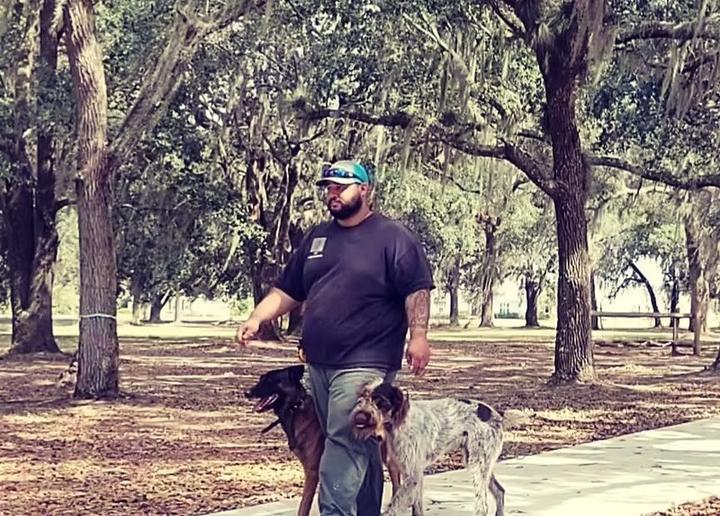
What to do: teach your dog to walk beside you on a loose leash, with you choosing the pace and the route.
2. They sniff constantly on walks
Some sniffing is normal and good for a dog. But a dog that has its nose down the whole walk, zigzagging from one side of the path to the other, usually isn't just enjoying the smells. It's sniffing for safety: checking who's been there and what might be around the next corner. It's treating the walk like a patrol instead of a walk with you.
What to do: give the walk structure. While the dog is working, it stays in position with you. Sniffing happens on a break, when you release it.
3. They get on the furniture without being invited
A dog that jumps up on the couch or the bed whenever it wants is claiming that space. For a lot of dogs that turns into guarding it: stiffening when someone sits down, growling when asked to move, or snapping at a kid who climbs up next to it.
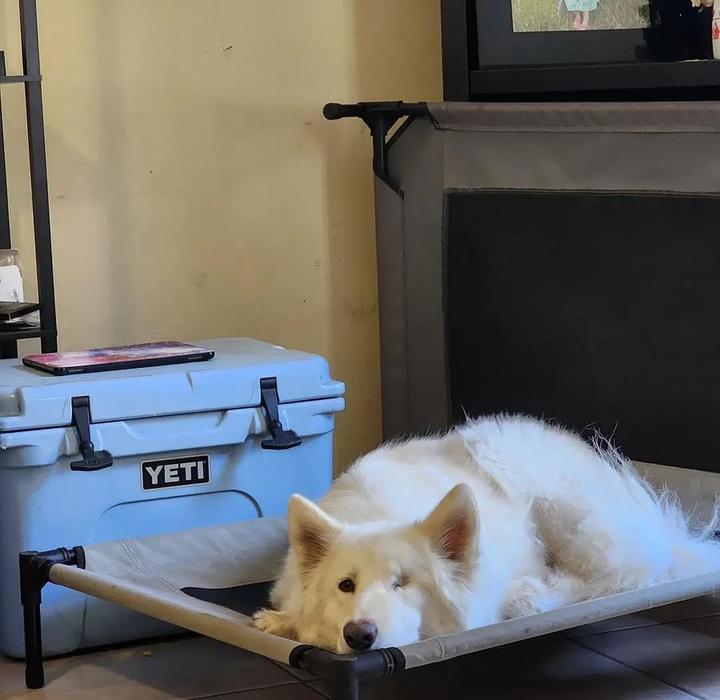
What to do: make furniture by invitation only. Teach your dog to get off when asked and to settle on its own bed or place instead.
The warning signs before a bite
Most dogs also give plenty of warning before they bite. The problem is that the early signals are quiet and easy to miss:
- Turning the head away, licking the lips or yawning when someone approaches
- Freezing, going stiff or suddenly holding very still
- A hard stare, or showing the whites of the eyes
- Growling, then lifting the lip
- An air snap that doesn't make contact
When those signals get ignored, dogs escalate. And when a dog gets punished for growling without anyone fixing the reason it growled, some dogs learn to skip the warning and go straight to the bite. The growl is information. Use it.
What to do right now
- Make it safe. Use gates, crates, leashes and closed doors so the dog can't rehearse the behavior. If there's any bite risk to visitors or children, keep them separated until you have a plan.
- Don't pick a fight. Confronting or physically punishing an aggressive dog in the moment can escalate things fast, and it's how people get hurt.
- Start with the three habits. Walk beside you, sniff on a break and stay off the furniture unless invited. They're small changes, and they add up.
- Rule out pain. A dog that hurts can guard its own body, so book a vet visit, especially if the behavior is new.
- Muzzle train your dog. I recommend muzzle training every dog that's comfortable with it, not just aggressive ones. Introduced slowly and paired with good things, the muzzle becomes no big deal, so when your dog is in an uncomfortable spot, we can put it on and everything stays calm and safe.
- Get a professional involved early. Aggression tends to get harder to fix the longer it's practiced.
Questions
Why does my dog sniff so much on walks?
Some sniffing is normal. But a dog that sniffs nonstop, nose down the entire walk, is often checking the area for safety. Structured walks, with sniffing saved for breaks, help a lot of these dogs relax and pay attention to you.
Should I let my dog on the couch?
For a dog with any guarding or aggression, keep furniture by invitation only. The dog comes up when you call it up and gets off when asked. Many easygoing dogs can share the couch, as long as those rules stay in place.
Can an aggressive dog be cured?
Many aggressive dogs improve dramatically with training and management, and some become very easy to live with. An honest trainer won't promise a cure, because a dog's history and genetics don't disappear. The goal is a dog you can live with safely and confidently.
Is my dog aggressive or just reactive?
Reactive dogs overreact to triggers with barking and lunging, often from frustration or fear. Aggression includes the willingness to bite. There's a lot of overlap, and a reactive dog can become aggressive if the behavior keeps getting practiced. An evaluation is the best way to know which you're dealing with.
Will neutering fix my dog's aggression?
Not reliably. Aggression rooted in fear, guarding or habit needs training. See our post on whether to spay or neuter your dog for more on that decision.