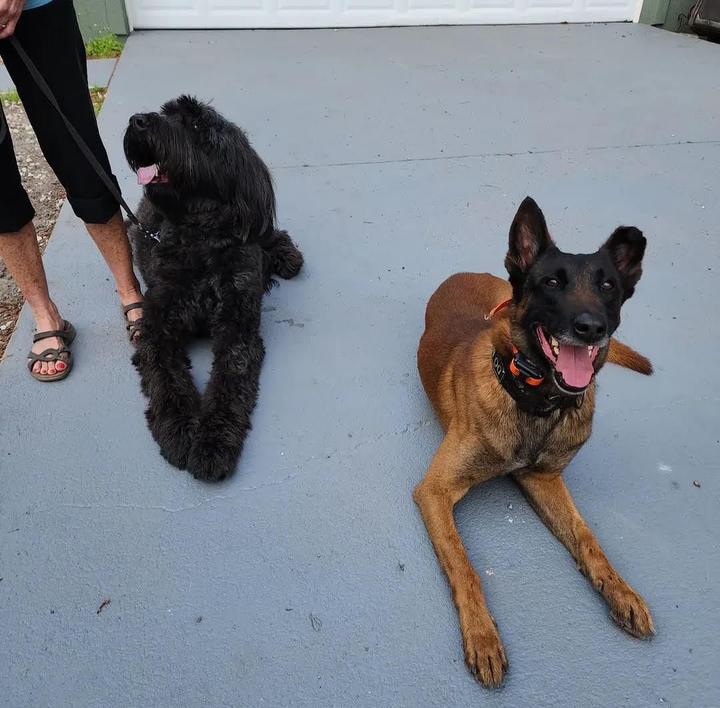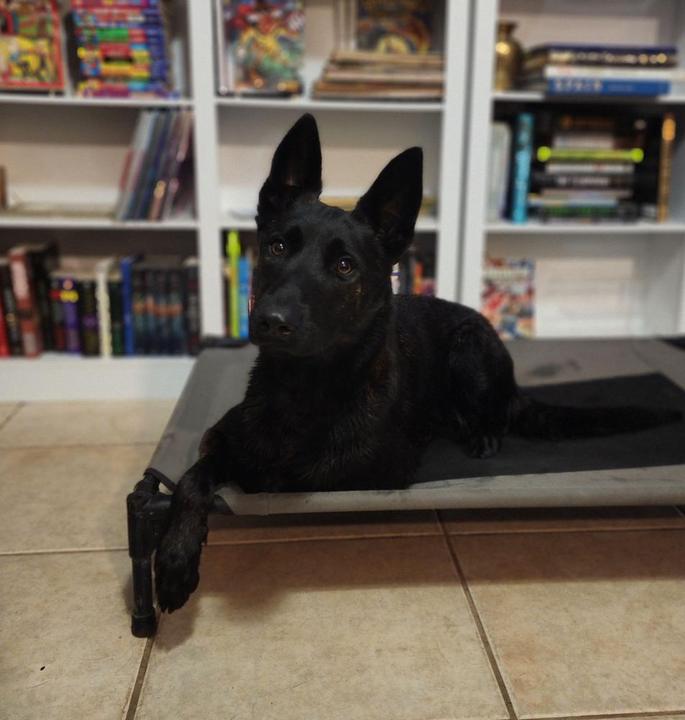

There isn't one right answer for every dog. I don't spay or neuter any of my own dogs, and I would never spay or neuter a dog that's going to work. Spaying and neutering prevent litters and some serious health problems. Research also suggests that for some breeds, especially larger ones, very early spay or neuter can raise the risk of certain joint problems and cancers. Talk with your vet about your dog's breed, sex and lifestyle, and don't count on surgery to fix behavior.
I get asked about this all the time, usually by owners of new puppies. I'm a trainer, not a vet, so this isn't medical advice. But timing and behavior come up constantly in training, and there's a lot of outdated information out there. Here's how I'd think it through.
The case for spaying and neutering
- No accidental litters. This is the big one, and it matters.
- For females: no heat cycles, and no risk of pyometra, a serious uterine infection that can be life threatening.
- For males: no risk of testicular cancer, and for some dogs, less roaming and marking.
- Convenience: many daycares, boarding facilities and dog parks require it.
What the research says about timing
For a long time the standard advice was to spay or neuter around six months. That has changed for a lot of vets. In 2020, researchers at UC Davis published a study of 35 dog breeds and found that the effect of neuter age on joint disorders and some cancers varies a lot by breed and sex. For some breeds, early neutering showed little added risk. For others, especially some of the larger breeds, it did.
For a family pet, the takeaway isn't "never neuter." It's that timing should be a conversation about your specific dog, not a default date on the calendar.
What neutering will and won't change about behavior
This is where I see the most confusion. Spaying or neutering can reduce some hormone driven behaviors in some dogs, like roaming, marking and mounting. It is not a training plan.
If your dog pulls, jumps, ignores recall, guards its food or reacts to other dogs, surgery won't fix it. Those behaviors come from learning, fear, frustration or genetics, and they need training. Plenty of fixed dogs have serious behavior problems, and plenty of intact dogs have excellent manners.
Working and protection dogs
Here's where I stand. I don't spay or neuter any of my dogs. If a dog is going to work, whether that's protection work, field trials for bird hunting or anything else work related, I would not spay or neuter it, ever.
A lot of working dog handlers feel the same way. Many wait until a dog is fully mature, and many keep their dogs intact for their whole working life. The reasoning is usually about growth, confidence and drive. Keeping a dog intact comes with real responsibility:
- Secure fencing and supervision, always
- A plan for heat cycles, including keeping females away from intact males
- Zero chance of an accidental litter
- Knowing which facilities and activities require a spayed or neutered dog
If you're raising a working line puppy for protection work, bring this up with your vet and your trainer early so the timing fits the training plan.
Questions to ask your vet
- What does the research say about timing for my dog's breed and sex?
- What are the specific health risks of waiting, and of not waiting?
- If we wait, what should I be watching for?
- For females, what are the options and the tradeoffs?
- Given my household and lifestyle, what do you recommend, and why?
Questions
Will neutering calm my dog down?
Sometimes a little, for some hormone driven behaviors. It won't calm a dog that's under exercised, under trained or anxious. Structure, exercise and training do that.
What age is best to spay or neuter a dog?
It depends on the breed, the sex and the dog's lifestyle. Research suggests the answer is different for different breeds, so ask your vet what they recommend for your specific dog.
Does spaying or neutering cause weight gain?
It can change metabolism and appetite in some dogs. Watching portions and keeping your dog active usually handles it.